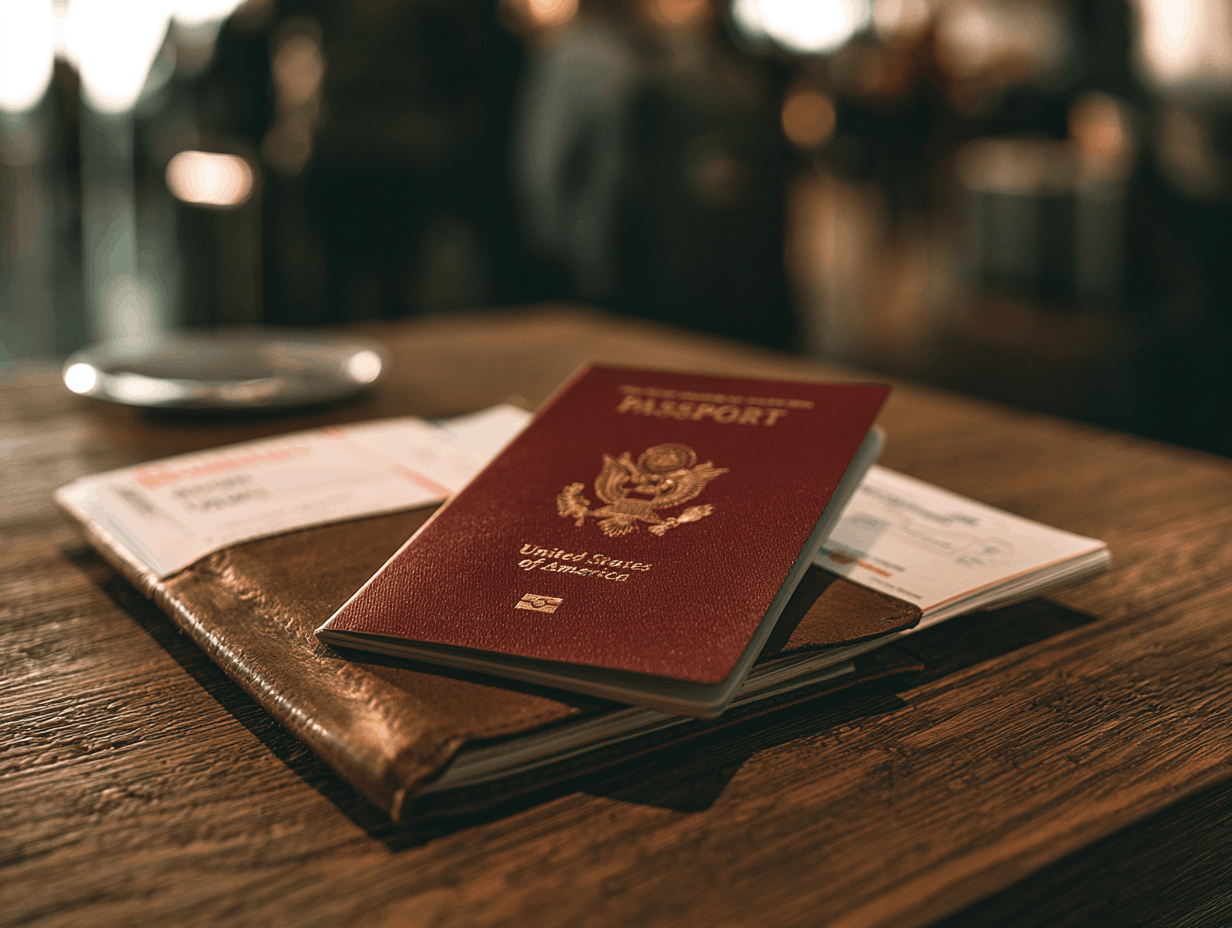
Passport, Visa and Entry Requirements Checklist
Domestic flights inside one country usually need far less paperwork. A government-issued photo ID is enough in most places. The name on the ID must match the name on the ticket exactly. Some routes accept a driving licence, others prefer a passport even for internal travel. Check the airline page for the specific flight to be sure.
International flights require a valid passport. The passport should stay valid for at least six months after the planned return date in many destinations. Some countries ask for less, others for more. Blank pages are also needed for entry stamps. Count them before you leave home.
Visa rules change by nationality and by destination. Short tourist stays often allow visa-free entry for certain passport holders. Longer stays or different travel purposes usually need an application in advance. Transit visas appear when you change planes in a third country and leave the international area. The rules for that can be strict even if you never exit the airport.
To verify everything before departure, start with the official immigration or foreign affairs site of the country you plan to visit. Look up the entry requirements page and select your passport nationality. The information there is updated more reliably than most other sources. Airline websites sometimes show a simplified version too, but the government site remains the final reference.
Print or save a copy of the key rules if the internet connection might be limited later. Keep the passport number and expiry date written down separately in case the document itself goes missing. For countries that issue electronic visas or travel authorisations, complete the form early. Approval can take hours or several days depending on the system.
Children need their own documents in almost every case. A parent passport alone is rarely enough. Some destinations ask for extra paperwork if only one parent travels with a minor. Check those details at the same time as the main visa rules.
If your itinerary includes more than one country, review the requirements for each stop. A visa for the final destination does not automatically cover the transit points. Borders and airports apply their own checks, so gaps in paperwork create delays.
Arrive at the airport with the original documents, not only photos on a phone. Officers prefer to see the physical passport and any printed visa confirmation. Digital copies help as backup but do not replace the real thing.
Double-check the dates one last time the day before travel. A passport that expires during the trip or a visa that starts too late will stop the journey at the first control point. A short review prevents most of those problems.
Leave your email if you want occasional practical notes about new guides and important rule changes. No frequent messages.